

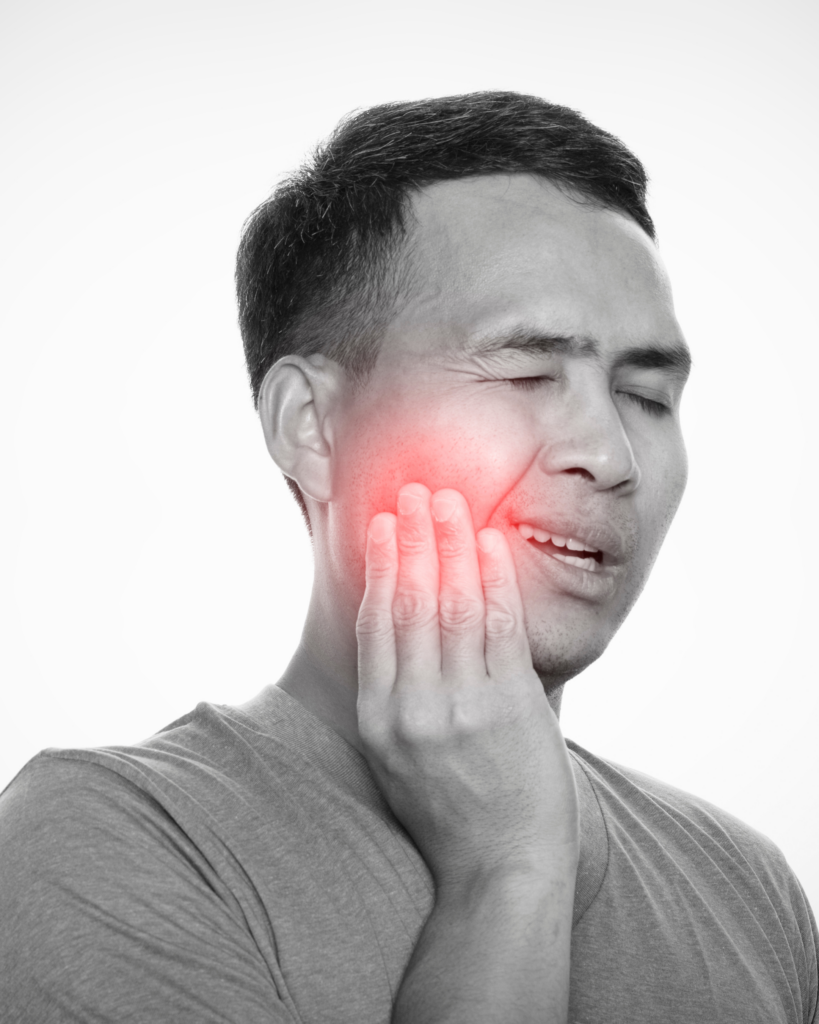
A broken tooth. A crown that suddenly comes off. Tooth pain that starts in the middle of the night. Swelling around your gums or face. When something unexpected happens with your teeth, one of the first questions you may have is: “Is this a dental emergency, or can it wait?”
Not every dental problem requires immediate treatment, but some situations are time-sensitive. Severe or persistent tooth pain, facial swelling, uncontrolled bleeding, a knocked-out permanent tooth, or significant dental trauma may require urgent attention. Smaller chips, mild sensitivity, or a lost filling or crown without significant symptoms may be less urgent – but it’s still important to contact your dentist for guidance.
Knowing when to seek dental care can help protect your teeth, reduce the risk of complications, and give you peace of mind. If you’re unsure how urgent a dental problem is, a dentist can evaluate your symptoms and recommend the appropriate next step.
At Plantation Dental SSI, we help patients on St. Simons Island, in Brunswick, and throughout surrounding Glynn County communities navigate unexpected dental concerns. If you’re experiencing sudden pain, swelling, dental trauma, or damage to a tooth or restoration, contact our office for guidance. In this guide, we’ll cover common dental emergencies, which problems may be able to wait, and when to seek prompt dental care.
What Is Considered a Dental Emergency?
A dental emergency is generally a problem that requires prompt professional attention because of significant pain, bleeding, swelling, possible infection, or trauma to the teeth or mouth. Because these symptoms can have many possible causes, it isn’t always easy to tell how urgent a dental problem is on your own.
If you’re unsure whether your situation requires immediate attention, call our St. Simons Island dental office at (912) 638-9001. Tell us what happened and what symptoms you’re experiencing, and our team can help determine the appropriate next step.
Below are some of the most common dental situations that may require prompt care.
Broken or Chipped Tooth
A tooth can break or chip while eating, playing sports, during a fall, or simply from biting down on something unexpectedly. A small chip may cause little or no discomfort, while a larger break can expose sensitive areas of the tooth and cause significant pain.
Contact a dentist promptly if you have:
- Significant or worsening tooth pain
- A large piece of the tooth missing
- Bleeding around the affected tooth
- A sharp edge cutting your tongue or cheek
- A tooth that feels loose after an injury
- Facial or mouth trauma along with the broken tooth
Even if a broken or chipped tooth doesn’t hurt, it’s still important to have it evaluated. A dentist can assess the extent of the damage and recommend appropriate treatment options based on what they find.
If you’ve broken or chipped a tooth on St. Simons Island, contact Plantation Dental SSI for guidance. Our team can help determine how quickly you should be evaluated and what to do until your appointment.
Lost Filling
A dental filling can become loose or fall out because of normal wear, changes to the tooth, or biting pressure. A lost filling isn’t always a dental emergency, but it shouldn’t be ignored. The affected tooth may become sensitive, and the area that was protected by the filling may be more vulnerable to additional damage.
Until you can see your dentist, avoid chewing hard or sticky foods on the affected side. If you develop significant pain, swelling, or other concerning symptoms, contact your dentist promptly.
If you’ve lost a filling in Brunswick or St. Simons Island, contact Plantation Dental SSI for guidance. A dentist can evaluate the tooth and determine whether the filling should be replaced or another treatment is appropriate.
Lost Crown
A dental crown can sometimes become loose or come off completely. If this happens, save the crown if you can and contact your dentist. Avoid using household glue or other adhesives to permanently reattach the crown yourself, as this could damage the tooth or make professional treatment more difficult.
How quickly you need to be seen depends on factors such as pain, sensitivity, the condition of the underlying tooth, and whether the tooth or crown was damaged. A dentist can examine the area and determine whether the crown can be reattached, needs to be replaced, or if another treatment is appropriate.
If you’ve lost a dental crown, contact your dentist promptly for guidance. Until you can be seen, avoid chewing on the affected side and bring the crown with you to your appointment if you still have it.
Tooth Pain
Tooth pain is one of the most common reasons people search for an emergency dentist in Brunswick. It can range from mild sensitivity to severe, persistent discomfort, and there are many possible causes. Because symptoms alone can’t reliably tell you what’s happening, a dental examination is the best way to identify the problem and determine whether treatment is needed.
Contact a dentist promptly if your tooth pain:
- Is severe, persistent, or getting worse
- Makes it difficult to eat or sleep
- Develops after an injury
- Occurs along with swelling
- Is accompanied by other concerning symptoms
Even if your tooth pain improves or goes away temporarily, the underlying problem may still need attention. If you’re experiencing persistent or worsening tooth pain in Brunswick or St. Simons Island, contact Plantation Dental SSI. Our team can help determine how quickly you should be evaluated and recommend the appropriate next step.
Dental Swelling
Swelling around the gums, jaw, or face should not be ignored. Dental swelling can have several possible causes, so it’s important to have the area evaluated rather than trying to determine the cause on your own.
Contact a dentist promptly if you notice new or worsening swelling, especially when it occurs with significant tooth pain, tenderness, or other concerning symptoms.
If swelling is severe, rapidly worsening, or makes it difficult to breathe or swallow, seek emergency medical attention immediately.
If you’re experiencing swelling around a tooth or your gums and aren’t sure how urgent it is, contact your dentist for guidance. Getting the appropriate care promptly can help address the problem before it becomes more serious.
Knocked-Out Tooth
A knocked-out permanent tooth is one of the clearest examples of a time-sensitive dental emergency. Contact a dentist right away. Handle the tooth carefully by the crown, the part normally visible in your mouth, rather than the root. If the tooth is dirty, gently rinse it without scrubbing or removing any attached tissue. If possible, place the tooth back into its socket without forcing it. If that isn’t possible, keep it moist while you seek professional dental care.
Do not attempt to reinsert a knocked-out baby tooth. Because acting quickly can improve the chances of saving a permanent tooth, seek dental care as soon as possible. If a tooth has been knocked out on St. Simons Island, call your dentist and explain that you are dealing with a dental emergency so you can receive appropriate instructions right away.
Dental Trauma After a Fall, Accident, or Sports Injury
Dental trauma can involve more than a visibly broken tooth. A fall, accident, or sports injury may cause a tooth to become cracked, loose, displaced, or damaged beneath the surface. The gums, lips, tongue, jaw, and other surrounding tissues may also be injured.
After dental trauma, contact a dentist promptly if you notice:
- A broken, cracked, loose, or displaced tooth
- Persistent bleeding from the mouth or gums
- Significant tooth or jaw pain
- A change in the way your teeth fit together when you bite
- Swelling around the mouth, gums, or jaw
- Difficulty opening or closing your mouth
Some injuries require emergency medical care rather than waiting for a dental appointment. Seek emergency medical attention for serious facial injuries, uncontrolled bleeding, a suspected jaw fracture, loss of consciousness, difficulty breathing, or other potentially life-threatening symptoms.
Taking precautions during sports and other physical activities can help reduce the risk of dental injuries. For prevention tips, read our guide on How to Prevent Dental Emergencies During Summer Activities.
When Can a Dental Problem Potentially Wait?
Some dental concerns may be less urgent than others. Minor sensitivity, a very small chip without pain, or a lost or damaged restoration without significant symptoms may not require immediate emergency treatment. However, even a problem that seems minor should still be discussed with your dentist.
Dental problems can change over time, and symptoms alone don’t always indicate how serious an issue may be. Contacting your dental office allows the team to learn what happened, review your symptoms, and advise you about when you should be evaluated.
If you’re wondering, “Do I need an emergency dentist in Brunswick?, or can this wait?” – contact Plantation Dental SSI for guidance. A quick conversation with our team can help you understand the appropriate next step and whether you should be seen promptly or schedule a regular dental appointment.
What Should I Do While Waiting to See a Dentist?
What you should do while waiting for dental care depends on the type of problem you’re experiencing. Your dental team can provide specific guidance when you call, but a few general precautions may help protect the affected area until you can be evaluated:
- Keep the area as clean as you comfortably can.
- Avoid chewing on a damaged, sensitive, or painful tooth.
- Choose softer foods and avoid anything extremely hard or sticky that could cause additional damage.
- If you’ve lost a crown, filling, or piece of a tooth, keep anything you recover in a safe place and bring it with you to your appointment.
- Avoid attempting DIY dental procedures or using household glues, chemicals, or other products that aren’t intended for use in your mouth.
If your symptoms worsen while you’re waiting – especially if you develop severe or rapidly increasing swelling, difficulty breathing or swallowing, uncontrolled bleeding, or other potentially life-threatening symptoms – seek emergency medical attention.
Looking for an Emergency Dentist in Brunswick?
Dental problems rarely happen at a convenient time. When you’re experiencing sudden tooth pain, a broken tooth, a lost crown or filling, swelling, or dental trauma, determining whether you need immediate treatment can be stressful. You don’t have to make that determination based on an internet search alone. Plantation Dental SSI serves patients on St Simons Island, Brunswick, and surrounding Glynn County communities. If you’re experiencing a dental concern, contact our office and describe what happened. Our team can help determine how quickly you should be evaluated and discuss the appropriate next steps.
When a dental problem is urgent, acting quickly can make a difference. When it isn’t an emergency, having a dentist evaluate the problem can still help prevent a small concern.
Follow Our Social Media Channels
Interested in more content from us? Follow along with us on our social channels!
Instagram: @plantationdentalssi
Facebook: Plantation Dental SSI
Explore More from Our Blog: Dental Digest
Contact Us
Phone: (912) 638-9001
Website: https://plantationdentalssi.com/
Location: Plantation Dental SSI – 300 Main St #101, St Simons Island, GA 31522